
Dental conditions
Understand what is happening — and what to do next
Short, clinically reviewed guidance on the dental problems we see most often: symptoms, likely causes, what helps at home tonight, when it's an emergency, and how ToothAid can help online or in person.
 Pain
PainToothache
Persistent or throbbing tooth pain is one of the most common reasons people contact ToothAid. A dentist can assess the likely cause and advise on next steps.
Read guidance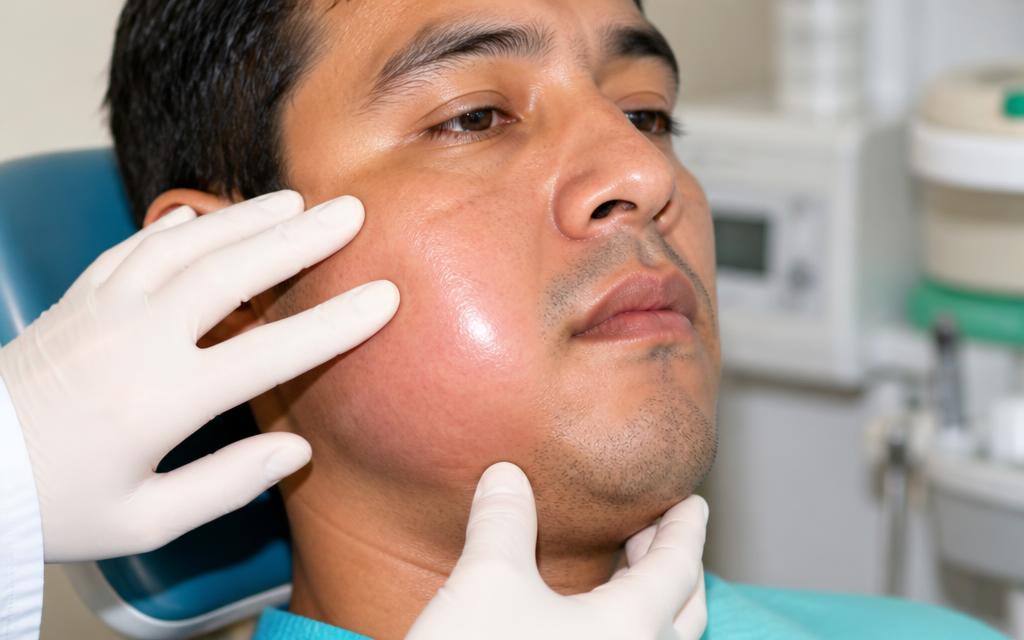 Infection
Dental abscess
An abscess is a collection of pus caused by infection. It usually needs prompt assessment, and often in-person treatment.
Read guidance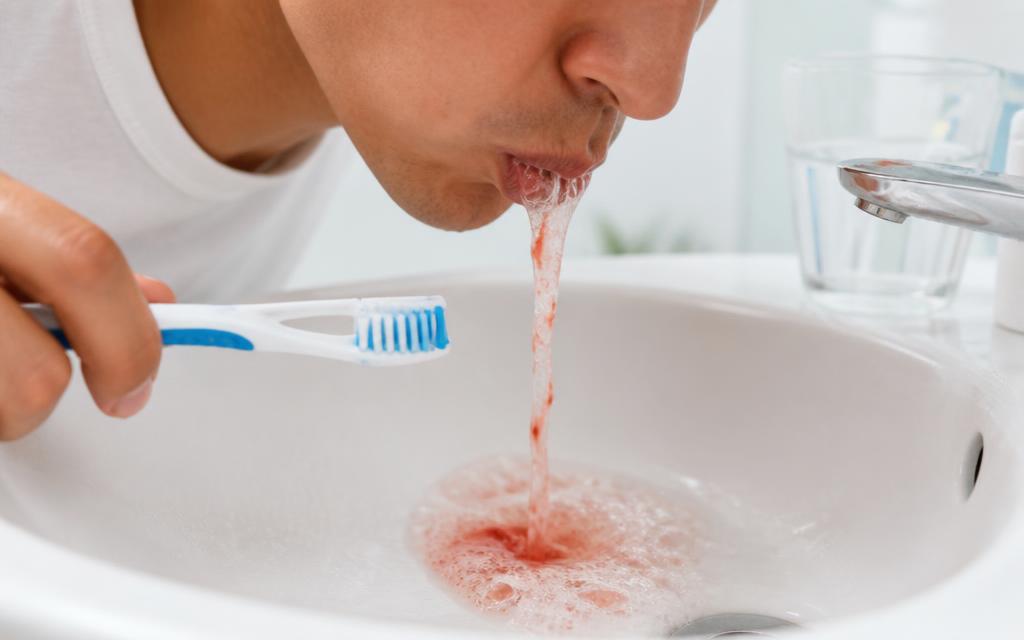 Gum health
Bleeding gums
Gums that bleed when brushing are usually a sign of inflammation. Early advice can prevent longer-term gum problems.
Read guidance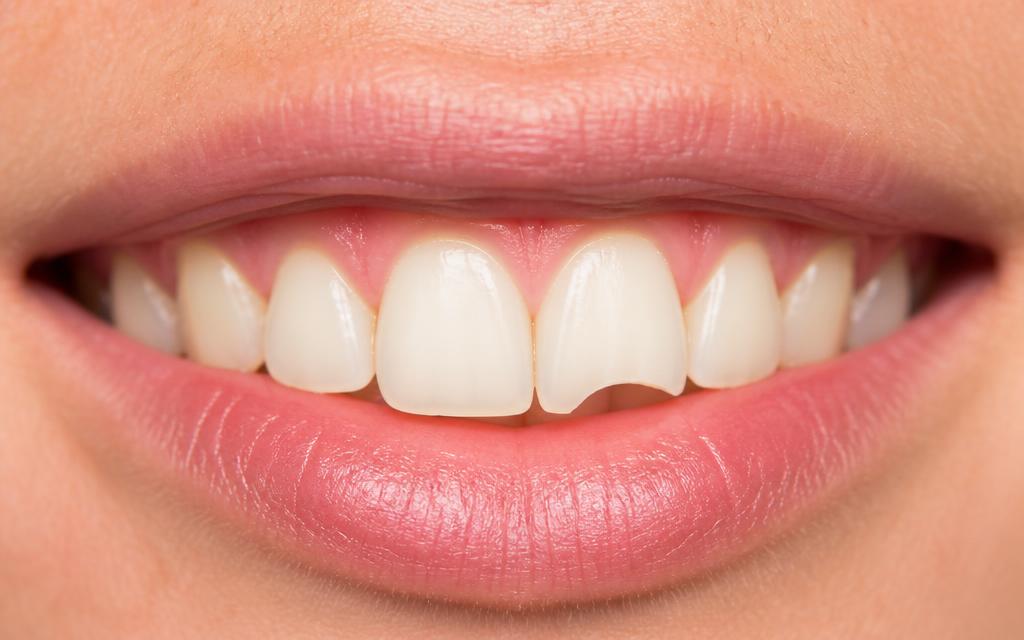 Trauma
Broken or chipped tooth
Damage to a tooth can range from a small chip to a fracture that exposes the nerve. Assessment determines urgency.
Read guidance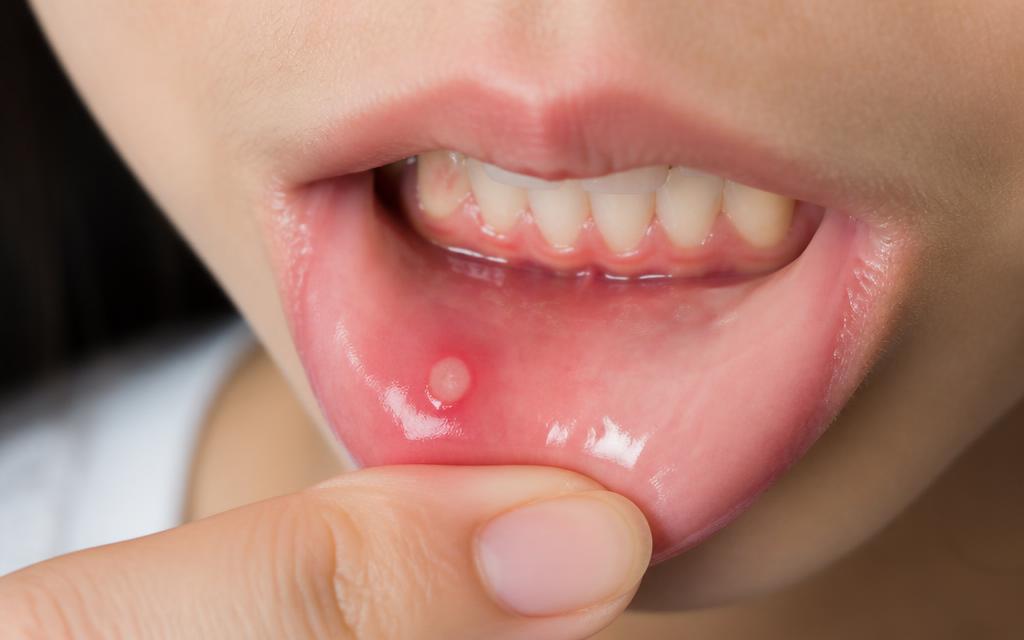 Soft tissue
Mouth ulcers
Most ulcers settle within two weeks. Ulcers that persist longer should always be reviewed.
Read guidance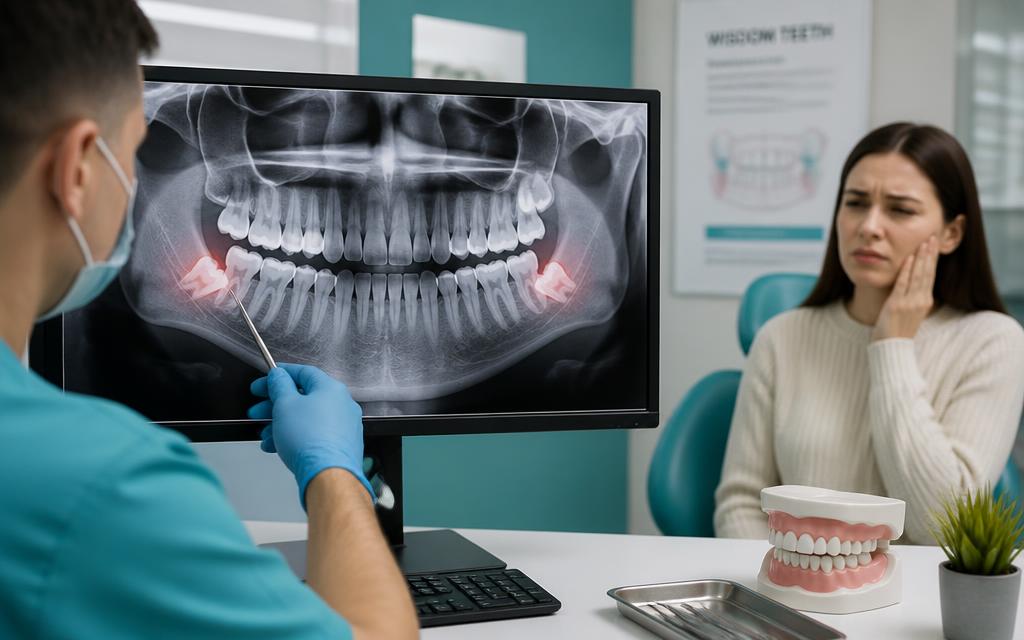 Pain
PainWisdom tooth pain
Wisdom teeth can cause pain when they are erupting or when the surrounding gum becomes inflamed.
Read guidance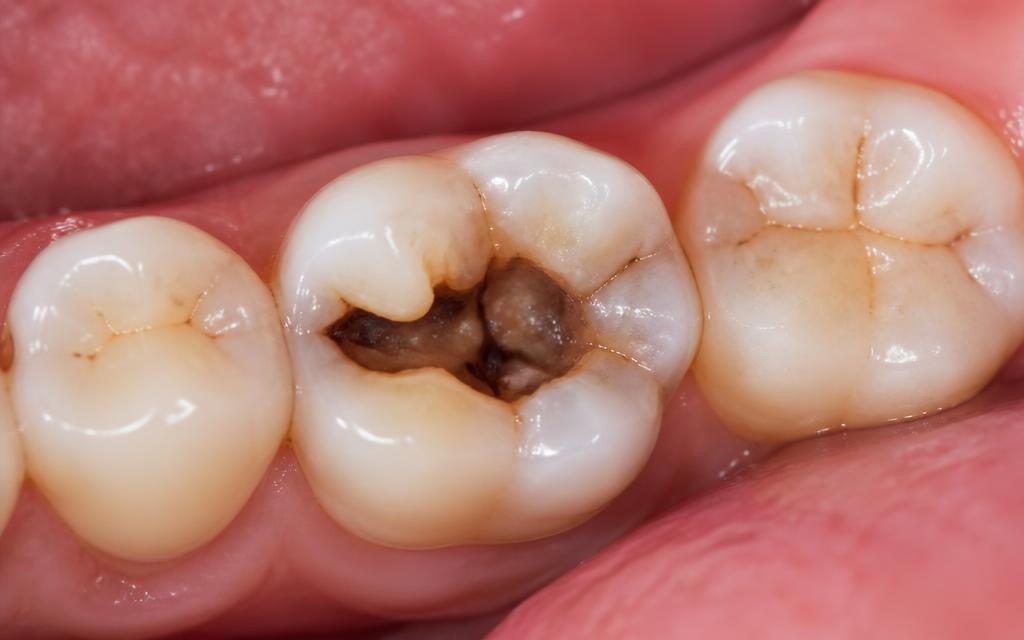 Decay
DecayTooth decay and cavities
A cavity is a hole in the tooth caused by decay building up over time. Early decay often causes no pain at all, which is why it is usually found at a check-up.
Read guidance Pain
PainPost-operative pain after a filling
Sensitivity or ache in the days and weeks after a filling is common and usually settles. Pain that worsens, or lingers after hot or cold, needs reviewing.
Read guidance After extraction
Dry socket and infected socket
Dry socket happens when the blood clot in an extraction site fails to form or is lost, usually three to five days after the tooth came out. It is intensely painful but treatable.
Read guidance Nerve pain
Reversible pulpitis
Reversible pulpitis is inflammation of the tooth's nerve that can still settle down if the cause is treated. It typically causes short, sharp sensitivity that goes away quickly.
Read guidance Nerve pain
Irreversible pulpitis
When the nerve inside a tooth becomes so inflamed that it cannot recover, the pain is typically severe, spontaneous and worse at night. The tooth needs root canal treatment or extraction.
Read guidance Damage
Cracked tooth syndrome
A crack in a tooth can cause a sharp jolt of pain on biting or, more typically, on releasing the bite. Cracks are often invisible and can be difficult to diagnose.
Read guidance Jaw
JawTMD (jaw joint pain)
Temporomandibular disorder is pain or dysfunction around the jaw joint and the muscles that move it. Most cases improve with simple self-care and reassurance.
Read guidance Gums
GumsPericoronitis
Pericoronitis is inflammation of the gum flap over a partly erupted wisdom tooth. Food and bacteria get trapped underneath, causing soreness, swelling and a bad taste.
Read guidance