
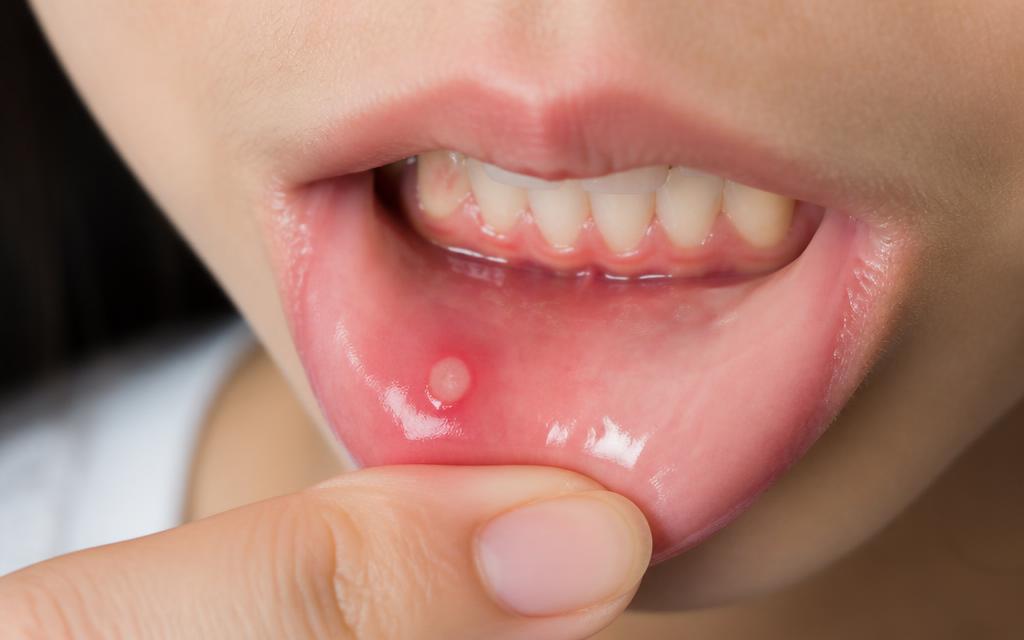
Common symptoms
- • Painful round or oval sores inside the mouth
- • A white, yellow or grey centre with a red border
- • Discomfort when eating, drinking or brushing near the area
- • Occasional recurrence in the same areas
Likely causes
- • Accidental biting or irritation from braces or dentures
- • Stress, tiredness or hormonal changes
- • Certain foods, such as acidic or spicy items
- • Vitamin or iron deficiency
- • Some underlying medical conditions in cases of frequent recurrence
What can help tonight
- • Avoid spicy, salty or acidic food and drink while it heals
- • Use a soft toothbrush and rinse with warm salty water
- • Consider an over-the-counter ulcer gel or antiseptic mouthwash if suitable for you
- • Avoid picking at the ulcer or irritating it further
This is general information, not a diagnosis. Always follow the advice given to you by your dentist.
When it's an emergency
- • An ulcer with rapidly spreading swelling, fever or difficulty swallowing
- • Severe pain preventing you eating or drinking anything
If any of these apply to you, call 999 or attend A&E now. Outside these signs, NHS 111 can advise out of hours.
What a ToothAid dentist can do online
A dentist can review a photograph of the ulcer, ask about how long it has been present and any recurrence pattern, and advise whether it looks typical or needs closer examination. Antibiotics are not used for ordinary mouth ulcers, which are not usually caused by bacterial infection.
What needs in-person treatment
Any ulcer lasting longer than three weeks, or one that looks unusual, must be examined in person, as this is standard practice to rule out other causes.
Frequently asked questions
How long should a mouth ulcer take to heal?
Most simple mouth ulcers heal within one to two weeks. If an ulcer lasts longer than three weeks, it should always be examined in person.
Why do I keep getting mouth ulcers?
Recurrent ulcers can be linked to stress, minor injury, certain foods, or occasionally nutritional deficiencies. Your dentist can discuss possible triggers and whether further investigation is needed.
Can stress cause mouth ulcers?
Yes, stress and tiredness are commonly reported triggers for recurrent mouth ulcers, though the exact mechanism varies between people.
Should I be worried about a mouth ulcer?
Most ulcers are harmless and self-limiting. However, any ulcer that persists beyond three weeks, keeps recurring in the same spot, or looks unusual should always be checked in person as a precaution.